Let's be honest: most of us have, at some point, sniffed our own wrist and thought, "I smell delicious." That's the power of gourmand perfume. It speaks straight to the part of the brain that remembers birthday cakes, hot chocolate on a snowy day, the bakery you walked past on the way to school and the cookie jar you weren't supposed to open.
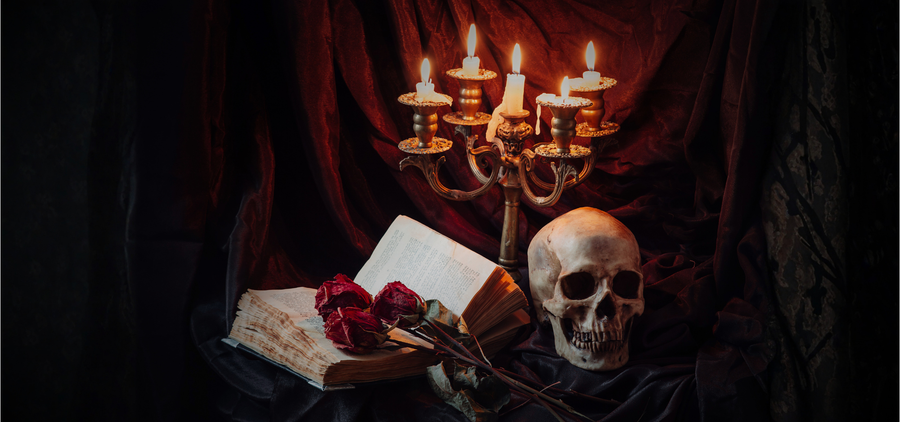
But sweetness doesn't have to be innocent. A dark gourmand is the dessert served at midnight in an abandoned manor. Bitter cocoa, black coffee, licorice, burnt caramel and tobacco, wrapped in earth, smoke and old woods. It's comfort with a shadow. It's the gingerbread house in the forest — lovely, until you notice who's watching from the window. And it's one of our favorite things to make.
A Short History of Gourmand Perfume
Perfumers have used edible notes like vanilla, tonka bean, cinnamon and clove for centuries. Many classic perfumes of the early 20th century had a warm, sweet, ambery base. But they were never meant to smell like food.
The modern gourmand family really began in 1992, when Thierry Mugler launched Angel, a perfume built around a sugary, cotton-candy-like molecule called ethyl maltol, along with patchouli, chocolate and caramel. It was so new and so divisive that people either loved it or left the room. It created a whole category. Since then, perfume shelves have filled with caramel, praline, cookies, marshmallow, whipped cream and — at one point — entire birthday cakes.
The dark gourmand is the next chapter: the moment perfumers realized that sweetness is even more interesting when something bitter, smoky or earthy is standing right behind it.
Chocolate and Coffee: Two Dark Histories
Two of the stars of dark gourmand perfume have surprisingly dark histories of their own.
Chocolate wasn't always sweet. The Maya and Aztecs drank cacao as a bitter, spiced, often foamy drink, sometimes with chili, and used cacao beans as currency. When chocolate arrived in Europe, it was sweetened with sugar and became a luxury of royal courts. Real cocoa still has that bitter, earthy, ancient soul.
Coffee spread from Ethiopia and Yemen across the Islamic world and into Europe in the 17th century, where coffeehouses became places of gossip, politics, plotting and rebellion. Some rulers even tried to ban them. Coffee is the smell of late nights, dangerous ideas and conversations you shouldn't be having.
The Notes of Dark Gourmand Perfume
Cocoa
Cocoa absolute smells deeply chocolatey, dusty and bitter, more like raw cacao powder than a candy bar. It's the perfect dark gourmand note: rich, but never sugary on its own.
Coffee
Coffee CO2 extract smells of freshly roasted beans: dark, toasty, slightly smoky and bitter. It wakes a perfume up — literally the morning after the witching hour.
Licorice and Anise
Licorice is sweet, black, herbal and slightly medicinal. Some people adore it and some would rather eat a candle. Here in Scandinavia, salty licorice is practically a national treasure, and we're contractually obliged to defend it. It gives a gourmand a strange, sinister twist.
Caramel and Burnt Sugar
Caramel notes, often built with molecules like maltol and ethyl maltol, smell like toffee, cotton candy and burnt sugar. In a dark gourmand, the caramel is usually a little too dark, like it was left on the stove a few seconds too long. On purpose.
Popcorn and Butter
Yes, popcorn. Its toasty, buttery smell comes from molecules also found in freshly baked bread and jasmine rice. In the right perfume, it's nostalgic and slightly surreal.
Tobacco
Tobacco absolute smells of dried leaves, honey, hay and dried fruit, not cigarettes. It's the gourmand note that belongs in a leather armchair by the fire.
Tonka and Vanilla
Tonka bean, rich in coumarin, smells of hay, almonds and warm vanilla. Aged vanilla is darker and more boozy than the fresh kind. Together, they give sweetness its velvet.
The Shadow
What makes a gourmand dark is the contrast: earth, moss, smoke, woods, leather, spice or decay. Without the shadow, it's just dessert.
Dark Tales Dark Gourmands
Witching Hour
Hot chocolate in a witch's cabin. Cocoa, coffee bean and gentle smoke open into tonka bean, nagarmotha and fermented mate, settling on fir balsam, black spruce, oakmoss, cypress and powder. It's warm, earthy and cozy, with a dark chocolate note, hints of autumn leaves and sometimes a fleeting forest-mushroom phase. Imagine a cabin deep in the woods where someone is making hot chocolate and casting spells at the same time. Multitasking.
Haunted Circus
Popcorn and rubber in the fog. Our most avant-garde gourmand. A woman walks into the autumn woods and catches an impossible smell: salted caramel popcorn and warm butter. The trees part to reveal a dilapidated carnival, its colors faded, its clowns grinning from peeling signs, its rides creaking like skeletons. Powdery rubber balloons and foggy ozone open into caramel, salty butter, sweet popcorn and theater makeup, over patchouli, vetiver, earth, decomposing autumn leaves, ebony wood and aged vanilla.
Haunted Mansion
Cocoa and tobacco in the dust. Once known as Château, Haunted Mansion is a dark, woody gourmand: powdery neroli, tobacco and cocoa beans over cedarwood, oakmoss and aged vanilla. It takes place in a mansion at the end of a forgotten road, where the family vanished, the clocks stopped and the candles still move behind the windows. Tart tobacco, rich vanilla and black chocolate — the dessert trolley stayed.
All Hallows' Eve
Pumpkin, caramel and smoke. Our seasonal Halloween edition pairs burnt pumpkin, caramelized apple and licorice root with incense, charred woods and damp earth. Sweetness is kept on a very short leash.
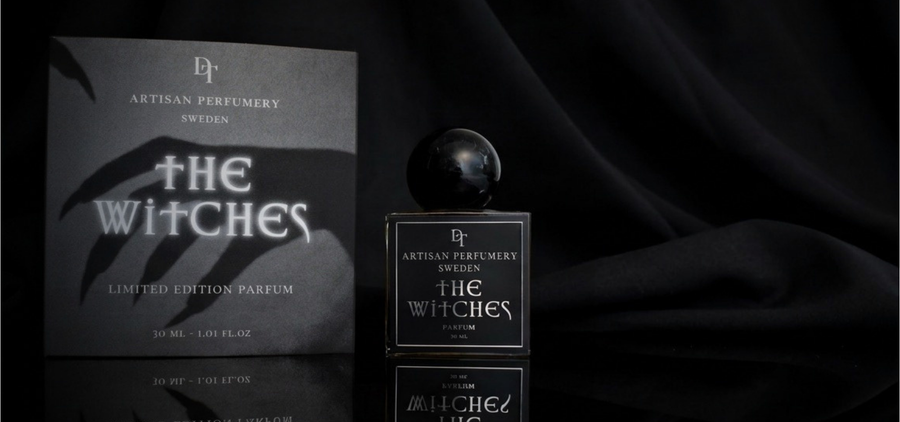
The Witches
Black licorice. Built around black licorice with black cherry, blackberry, clove, dark rose, incense and smoky woods. A dark candy shop run by people you should not make deals with.
Nōir Kakaō
For a refined sweet tooth. In our Villaniflōr line, cocoa seen through a polished, vintage lens: cocoa, coconut pulp, caramel and rum with ylang-ylang, aged vanilla, tonka and sandalwood. Old-world chocolate shops and polished wooden counters.
Which Dark Dessert Are You?
- Hot chocolate by the fire: Witching Hour
- Midnight at the fairground: Haunted Circus
- A forgotten dinner party: Haunted Mansion
- Trick-or-treat: All Hallows' Eve
- A bag of black licorice: The Witches
- A box of fine truffles: Nōir Kakaō
How to Wear a Dark Gourmand
- Autumn and winter are its seasons. In the heat, sweetness can turn heavy.
- Go light. Gourmands project well. Your coworkers don't need to know you smell like dessert from across the room.
- Layer with woods. A dark gourmand over a woody or incense perfume can be beautiful.
- Warning: people may try to smell your neck. We take no responsibility.
Frequently Asked Questions
What is a gourmand perfume?
A perfume built around edible notes like vanilla, chocolate, caramel, coffee or fruit.
What makes a gourmand "dark"?
Bitter, smoky or earthy notes like cocoa, coffee, tobacco, licorice, woods and moss that balance the sweetness.
Which Dark Tales gourmand is the sweetest?
Haunted Circus is the sweetest and most playful. Witching Hour and Haunted Mansion are drier and darker.
Are these perfumes vegan?
Witching Hour, Haunted Mansion, All Hallows' Eve and Nōir Kakaō are vegan. Haunted Circus contains beeswax absolute and The Witches contains choya nakh.
Final Thoughts
A dark gourmand is a little like a fairy tale. It starts with sweets, because the best traps always do. Then you notice the forest, the smoke and the shadows — and by then, it's far too late to turn back. Have another piece.