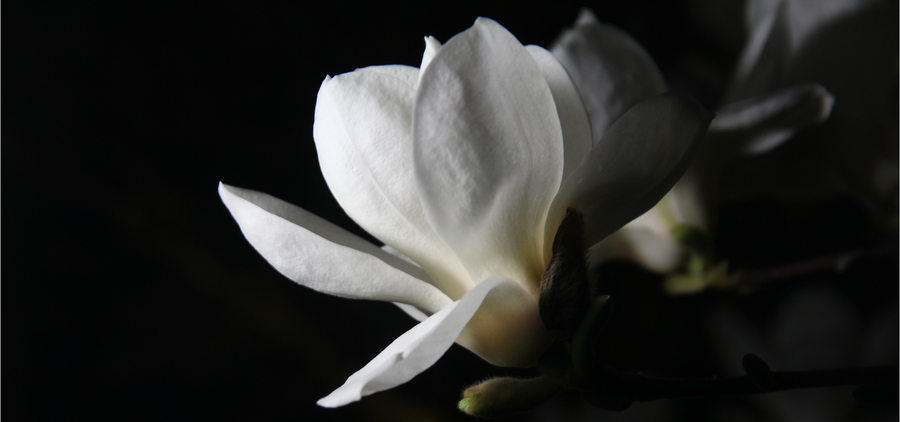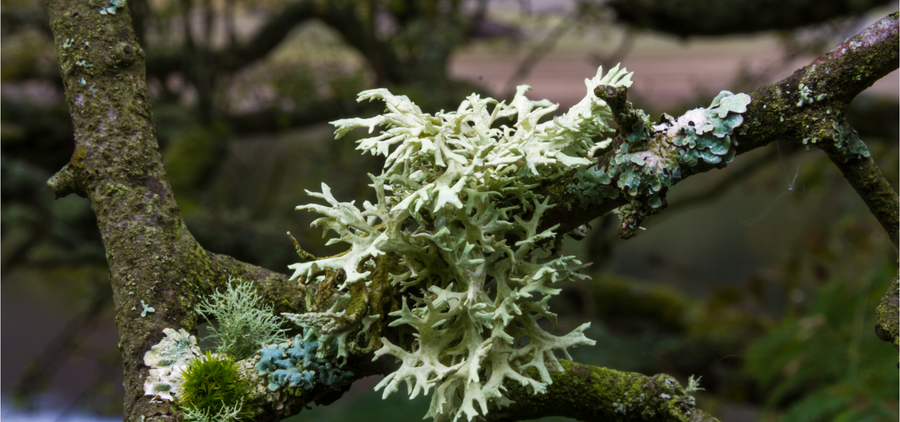

Some perfume materials are rare because they're expensive to make. Others are rare because there's almost none left in the world. A few are rare because nobody can predict where they'll turn up next — a lump on a beach, a fungus in a tree, a flower that blooms for a few weeks on a remote plateau.
Overharvesting, protected species, tiny harvests and lost traditions have made some of perfumery's greatest materials nearly impossible to find. Some are whispered about by perfumers the way collectors talk about lost paintings. Here are the rarest, why they've become so hard to find and what perfumers use instead.
Rare Because of Overharvesting
Wild Agarwood (Oud)
Oud forms when certain Aquilaria trees in South and Southeast Asia are infected by a mold. The tree defends itself by producing a dark, fragrant resin in its heartwood — a wound that becomes a treasure. Only a small share of wild trees ever develop it, and you can't tell from the outside which ones have. For centuries, harvesters cut down whole forests looking for the precious dark wood.
The result: many species were pushed close to extinction. All Aquilaria species are now protected under CITES. Most oud today comes from plantations where trees are deliberately infected, and true wild oud is among the rarest materials on earth. In the Middle East, a single piece of high-quality wild agarwood can be passed down through families like jewelry.
Mysore Sandalwood
Indian sandalwood, Santalum album, from the Mysore region was once considered the finest sandalwood in the world: creamy, milky and endlessly smooth, with a soft warmth that seemed to glow on skin. It was used in temples, carvings, incense and the finest perfumes for centuries.
Illegal felling and decades of overharvesting devastated wild trees, and the species is now listed as vulnerable. Genuine old Mysore oil is very hard to find, and bottles from decades ago are treasured by collectors. Most sandalwood in perfume now comes from Australian plantations or from synthetic molecules.
Rosewood
Brazilian rosewood oil, from Aniba rosaeodora, has a soft, floral, woody scent that was once used in many classic perfumes. The trees were cut down whole to distill the oil, and the species became endangered. It's now protected under CITES, and only small amounts from managed sources are traded.
Wild Frankincense
Frankincense still feels common — you'll find it in incense shops all over the world — but many wild Boswellia populations are in decline from overtapping, grazing and fire. Researchers have warned that production could fall sharply in the coming decades if nothing changes. Read more in incense in perfumery.
Rare Because of Tiny Harvests
Narcissus
Narcissus absolute comes from wild poet's daffodils on the Aubrac plateau in France. The harvest is short, the flowers grow wild in high meadows, and the yield is tiny. Only a small amount of absolute is made each year, and its green, hay-like, leathery scent is unlike anything else.
Boronia
A small Western Australian shrub with brown and yellow flowers and a violet-like, fruity scent. Production is tiny and depends on a short flowering season. If the weather's wrong, there's simply less to go around.
Karo Karoundé
A West African flower with a leathery, animalic scent. It's harvested in very small quantities, mostly in Guinea, and only a handful of suppliers offer it.
Cassie and Hyacinth
Both were once grown for perfumery in France and are now produced in tiny quantities, if at all.
Rare Because Nature Decides
Ambergris
Ambergris forms in the gut of sperm whales and can drift at sea for years before washing ashore. Nobody can farm it, and nobody can predict where it will appear. Finding a lump on a beach is a matter of pure luck — there are people who walk the shores of New Zealand and Western Europe for years hoping to find a single piece. It's also illegal to trade in some countries. Read more in animal materials in perfumery.
Hyraceum
The fossilized waste of the rock hyrax, built up over centuries in the rocks of southern Africa. It's collected without harming the animals, but supply is limited — you can't speed up a process that takes hundreds of years. We use it in Ondskan.
Rare Because They Were Replaced
Violet Flower
Real violet flower absolute was once made around Toulouse, where violets were grown by the field for perfume, sweets and liqueurs. After ionones were discovered in 1893, synthetic violet replaced it, and production almost stopped. Today it's one of the hardest naturals to find. (Don't mix with violet leaf absolute).
Natural Gardenia
Gardenia was historically captured by enfleurage in tiny amounts. Almost all gardenia notes today are reconstructions.
See more of these flowers in our guide to floral absolutes.
Rare vs. Expensive: What's the Difference?
Rare and expensive often go together, but not always. Orris butter is very expensive but not especially rare; it's just slow and labor-intensive to make. Hyraceum is rare but not the most expensive. Wild oud is both. If you're curious about price, read the most expensive perfume ingredients.
What Perfumers Use Instead
- Plantation sources: cultivated oud, Australian sandalwood and managed rosewood.
- Aroma molecules: sandalwood molecules like Javanol and Ebanol, Ambrox for ambergris, ionones for violet. Read more about aroma molecules.
- Substitutes: rosewood is often replaced by ho wood, which shares its main molecule, linalool.
- Cruelty-free naturals: hyraceum instead of civet and castoreum.
Frequently Asked Questions
What is the rarest perfume ingredient?
Wild agarwood (oud), genuine old Mysore sandalwood, real violet flower absolute and high-quality ambergris are among the rarest.
Is real sandalwood still used in perfume?
Yes, mostly from Australian plantations. Indian sandalwood is scarce and tightly controlled.
Why is oud so rare?
Only a small share of Aquilaria trees produce the resin, and wild trees have been heavily overharvested.
Do rare ingredients make a perfume better?
Not on their own. Composition matters most, but a rare material used well can add something special.
Final Thoughts
Rarity is part of perfume's romance — the idea that a few drops in a bottle carry a story from a faraway forest or an empty beach. But it comes with responsibility. The most valuable thing a perfumer can do with a rare material is use it carefully, source it honestly and support the alternatives that let wild species recover. The rarest thing in the world shouldn't be a tree.